Iceland by Campervan – The Ultimate Way to Explore Iceland at Your Own Pace
Exploring Iceland by campervan is one of the most flexible, exciting, and rewarding ways to experience this incredible country. Instead of rushing between hotels or sticking to fixed schedules, we get to slow down, adapt to the weather, and enjoy every stop along the way. A campervan trip lets us wake up near waterfalls, fall asleep under wide open skies, and follow our curiosity wherever the road leads.
For many travelers, a campervan in Iceland becomes more than just transportation. It becomes part of the adventure itself. We can cook our own meals, stay warm at night, and adjust plans based on mood, weather, or road conditions. Whether it’s a few days or two weeks, this type of road trip offers freedom that traditional travel simply can’t match.
Why Explore Iceland by Campervan?
Choosing a campervan rental gives us full control over how we explore Iceland. Instead of being tied to hotel check-ins or restaurant reservations, we travel at our own pace. If we want to spend a few hours hiking, soaking in hot springs, or just enjoying the view, we can.
A campervan road trip also offers a surprisingly cheap way to travel when compared to booking separate accommodation and a rental car. Everything is combined into one flexible setup, making budgeting easier and travel more relaxed.
Can You Take a Campervan to Iceland?
Yes, and it’s one of the most popular ways to visit Iceland. Roads are well-maintained, signage is clear, and campsites are spread across the country. A campervan trip works well for first-time visitors and returning travelers alike.
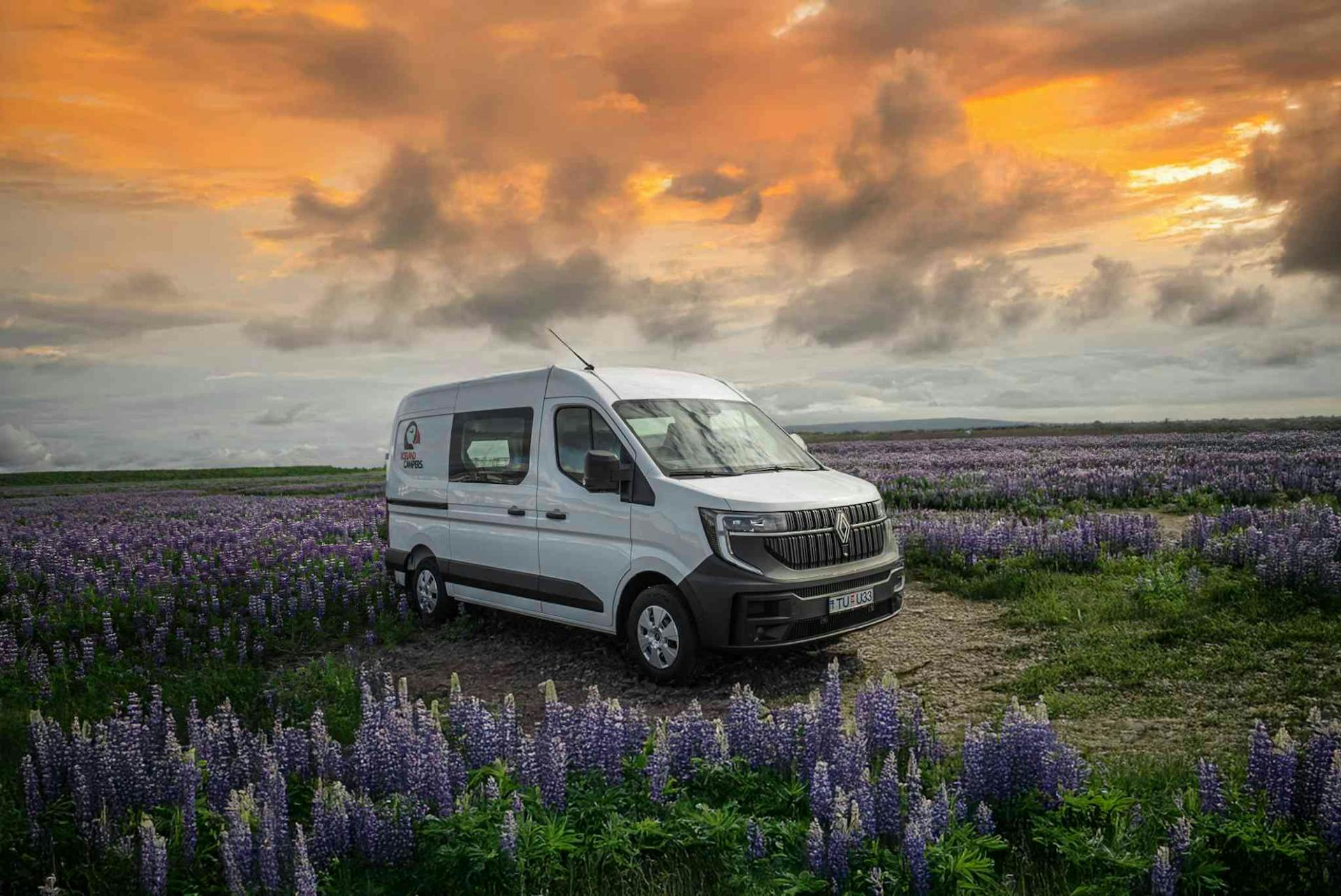
Our campers are designed specifically for Icelandic conditions, with insulation and a heating system to help us stay warm, even during colder months.
Manual Campervans Only – What to Expect
All of our vehicles are manual, which is common in Iceland. If we’re comfortable driving manual cars, adapting is easy and becomes second nature after the first day. Manual vehicles are reliable, efficient, and well-suited for Iceland’s roads.
Where Can You Go With a Campervan in Iceland?
Most travelers focus on paved roads like the Ring Road, which circles the country and connects many of Iceland’s most famous sights. This route is ideal for a campervan in Iceland and allows us to see waterfalls, glaciers, beaches, and towns without needing special vehicles.
While Four Wheel Drive vehicles are required for F roads and the Icelandic Highlands, we don’t offer them, and that’s okay. The majority of Iceland’s highlights are accessible without them, especially along the south coast, the Golden Circle, and the Snæfellsnes Peninsula.

The Golden Circle: A Perfect Iceland Start
The Golden Circle is often where an Icelandic start begins. It’s close to the airport and easy to drive, making it ideal for the first rental day. Along this route, we can see geysers, waterfalls, and historic sites with short walk access from parking areas.
This route helps us ease into our trip in Iceland, adjust to driving conditions, and get comfortable with the camper.

Driving the South Coast by Campervan
The south coast is one of the most popular stretches of road in the country, and for good reason. Along this drive, we encounter waterfalls, glaciers, lava fields, and dramatic ocean views.
Highlights include black sand beaches, Diamond Beach, Jökulsárlón Glacier Lagoon, and Skaftafell National Park, which sits within a larger national park area near Vatnajökull Glacier.
This stretch of the Ring Road is ideal for campervans, with good facilities and many camping options.
Visiting Snæfellsnes Peninsula
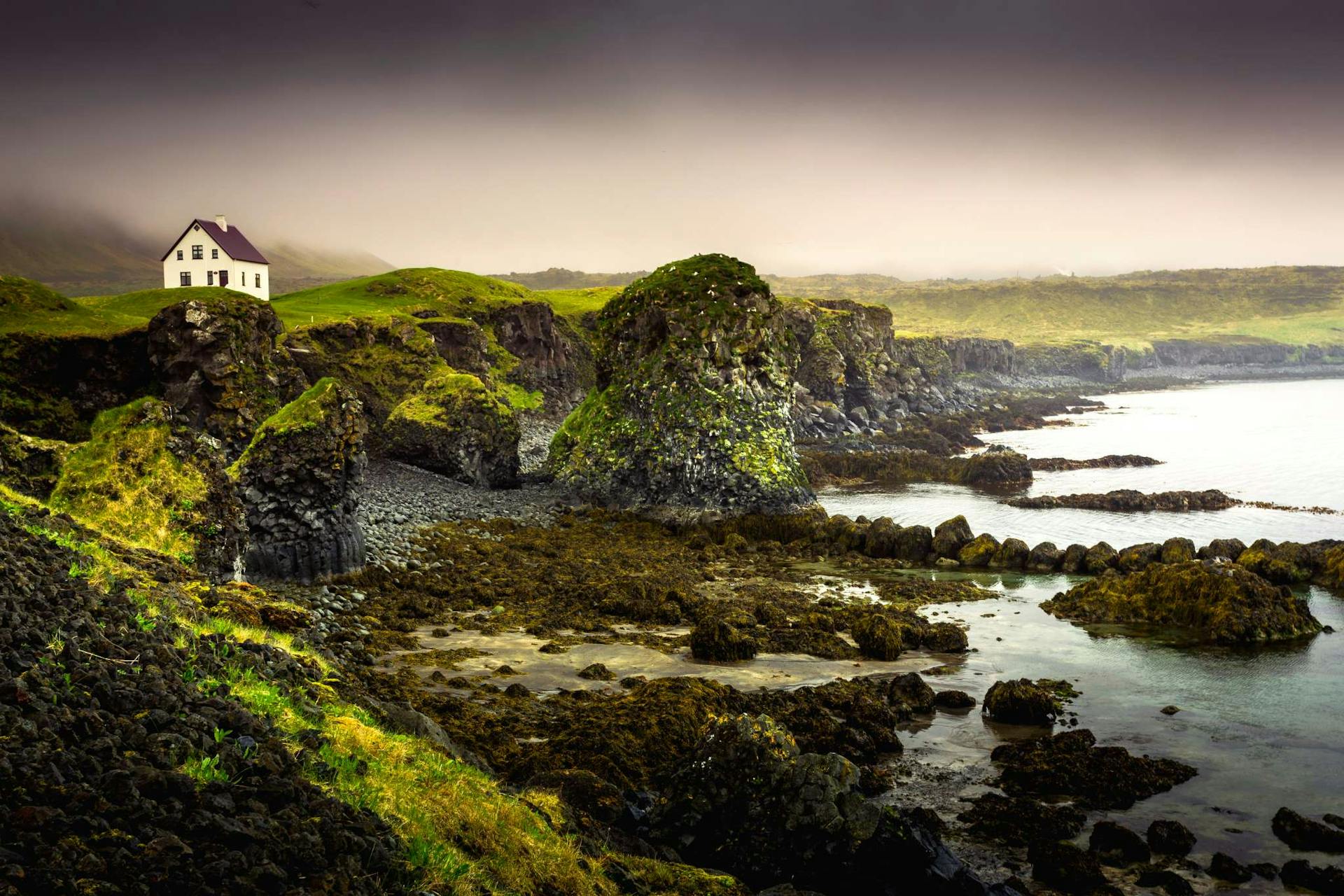
The Snæfellsnes Peninsula is often called “Iceland in miniature” because it offers a bit of everything. Volcanoes, cliffs, beaches, and fishing villages are all packed into one accessible region.
Driving here in a camper is relaxed, scenic, and rewarding. Campsites are well spaced, making it easy to find the nearest campsite without stress.
Camping Rules in Iceland
Can You Park a Campervan Anywhere in Iceland?
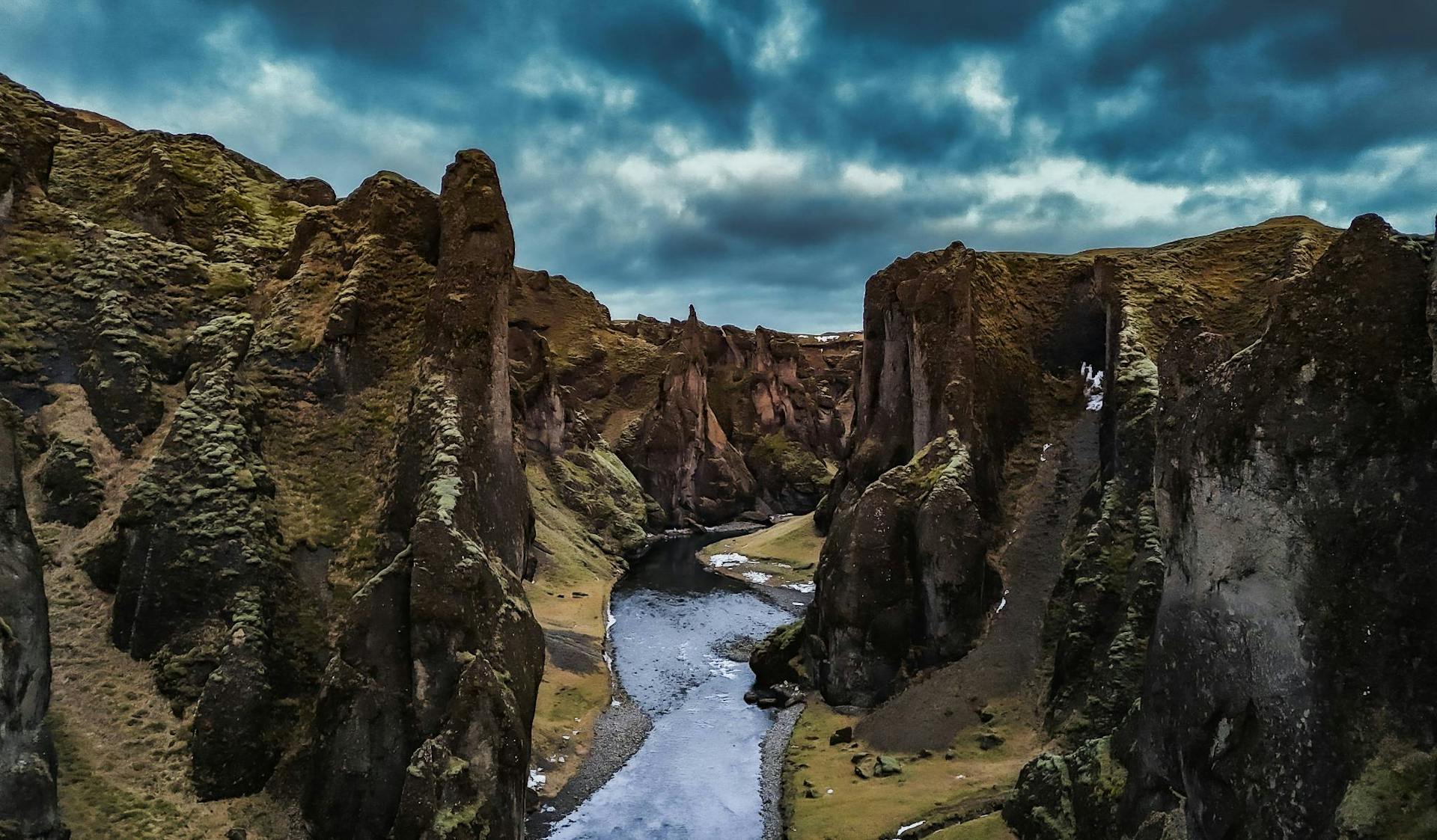
No. Wild camping in vehicles is restricted. We must stay at designated campsite locations unless explicit permission is given by landowners. This rule helps protect Iceland’s fragile nature.
Can You Sleep in Your Van in Iceland?
Yes, as long as we stay at official camping areas. Campsites offer good facilities, including toilets, showers, and kitchen areas.
Can You Car Camp for Free in Iceland?
Generally no. Most campsites charge a small fee, but the cost is reasonable and helps maintain clean, safe facilities for happy campers.
What’s Included in Our Campervans?
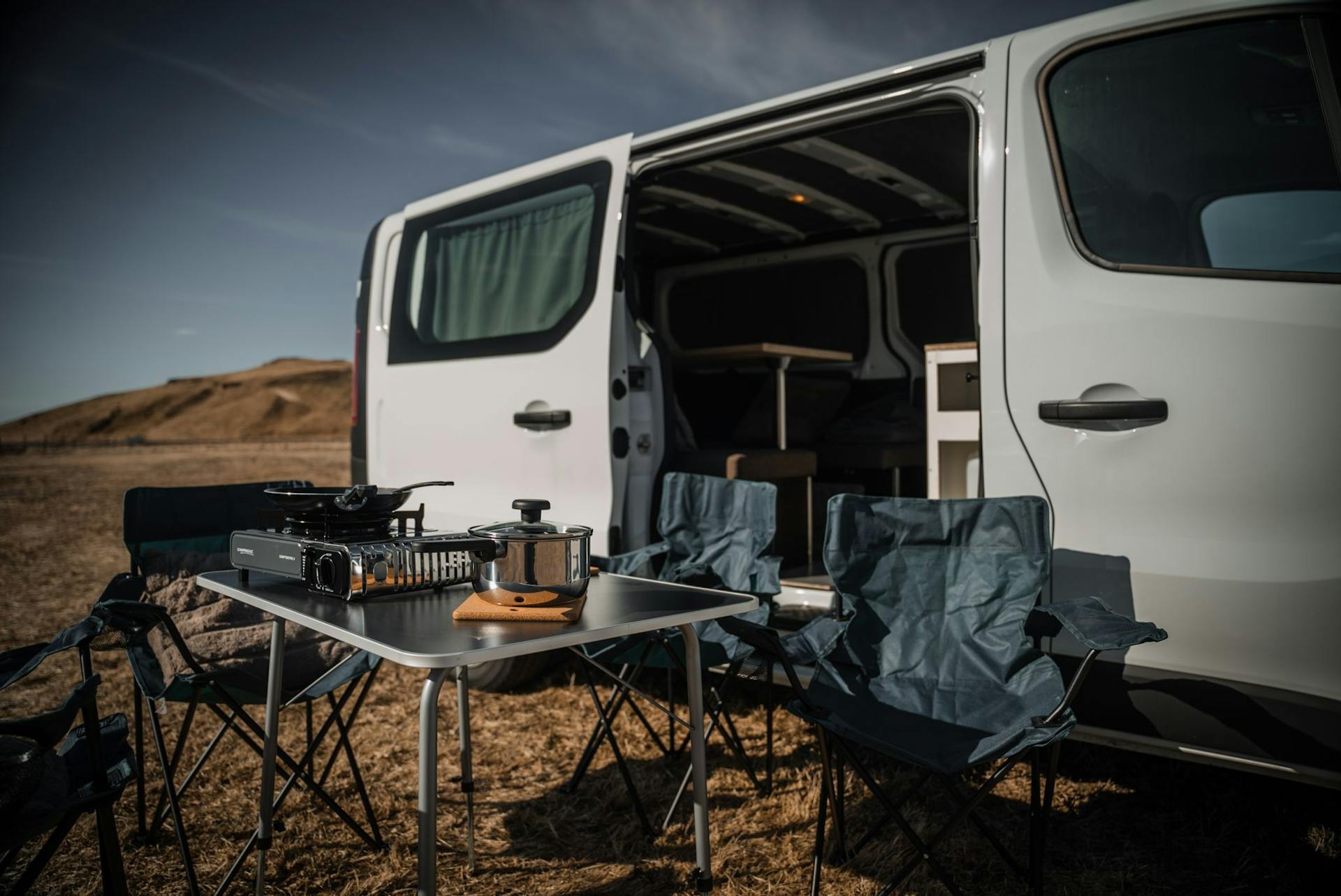
Our campers are fully equipped to make life on the road comfortable. Depending on the setup, we can add extras such as:
- Camping chairs
- Extra blankets
- Wi-Fi routers
- Kitchen equipment
- Optional extra driver
These extras make a big difference, especially during longer stays or in winter.
Staying Warm and Comfortable
Icelandic weather can change fast. Strong winds, rain, and cold nights are part of the experience. That’s why insulation and heating matter.
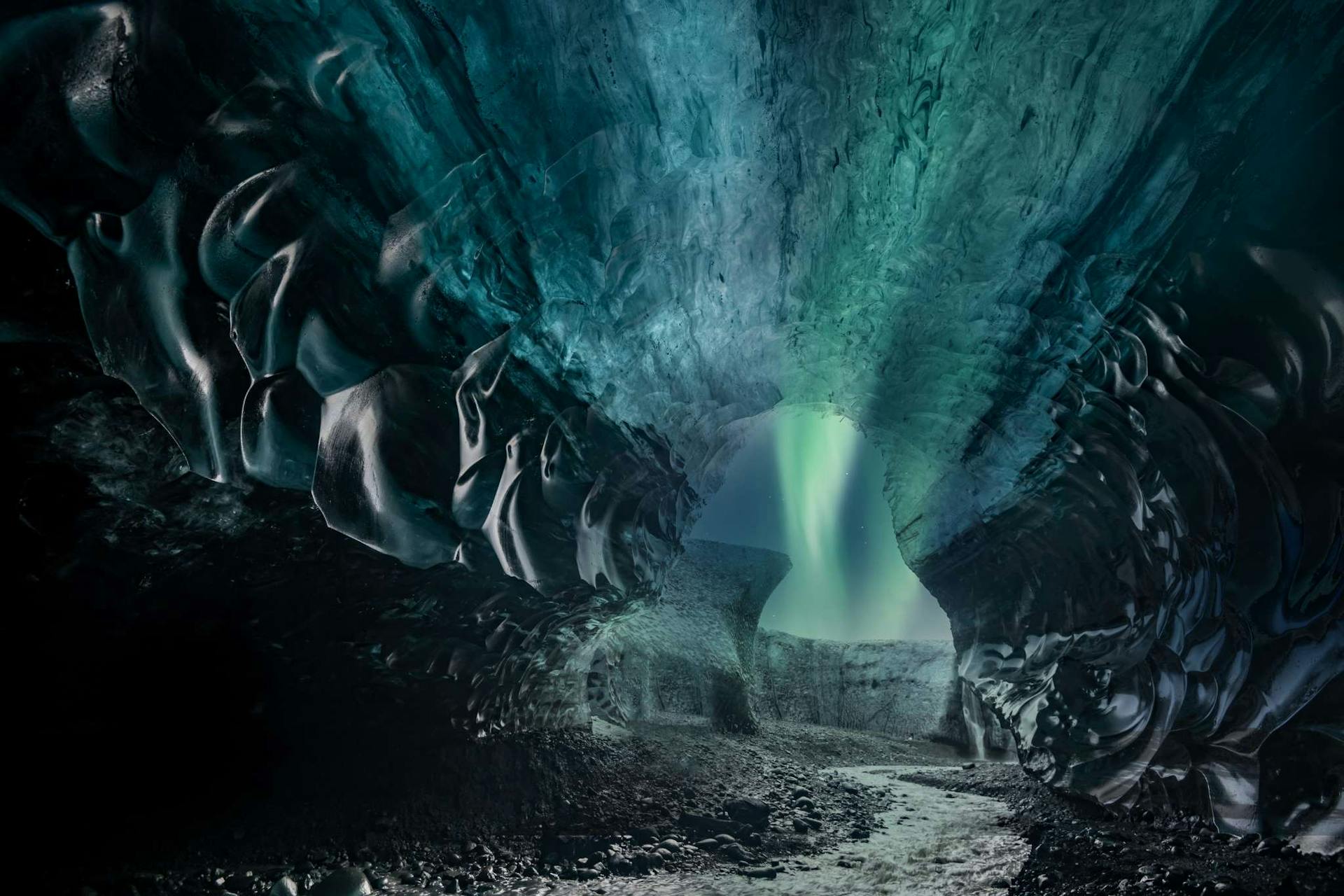
Our campers are built to help us stay warm, even when temperatures drop. Extra bedding options make nights more comfortable, especially when chasing the northern lights late into the night.
Winter Campervan Travel in Iceland
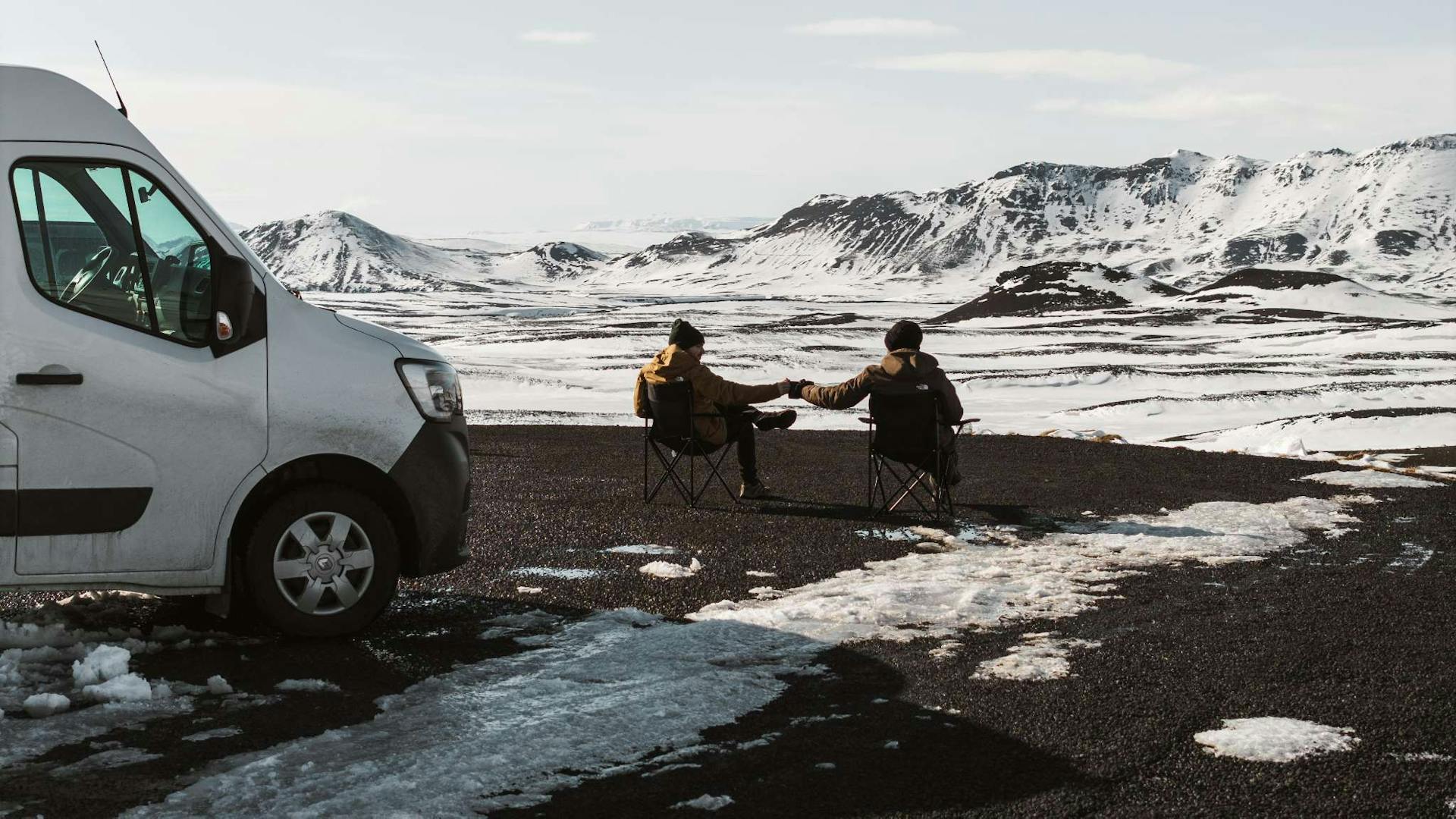
A campervan trip in winter offers a very different kind of Iceland adventure. Snow-covered landscapes, fewer crowds, and long nights make it perfect for spotting the northern lights.
Road conditions require more awareness, and planning around daylight and opening hours becomes important. With the right mindset, winter travel delivers a truly unforgettable Icelandic adventure.
Practical Tips for a Smooth Trip
Before hitting the road, we always recommend:
- Checking the full tank before long drives
- Watching weather updates
- Planning fuel stops near each gas station
- Allowing flexibility in the date time schedule
These small habits help ensure a fantastic time on the road.
Picking Up Your Camper
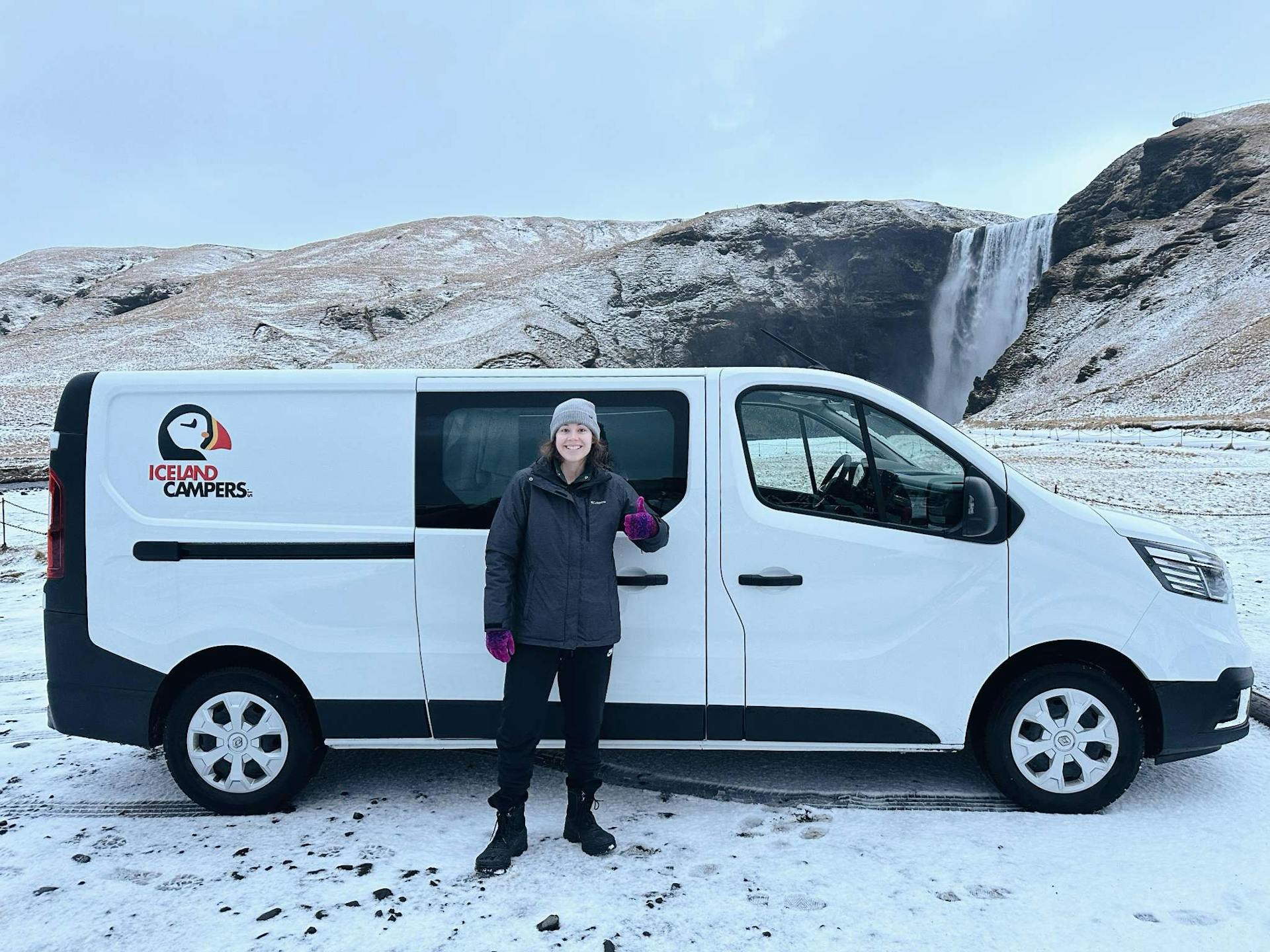
We arrange a pick up near Keflavik Airport, making arrival simple after landing. The airport location allows us to start the trip without unnecessary transfers or delays.
Our team is super helpful during pickup, explaining the camper setup, answering questions, and sharing local tips. Many travelers mention that their experience renting was smooth and stress-free.
Traveling With Fellow Campers
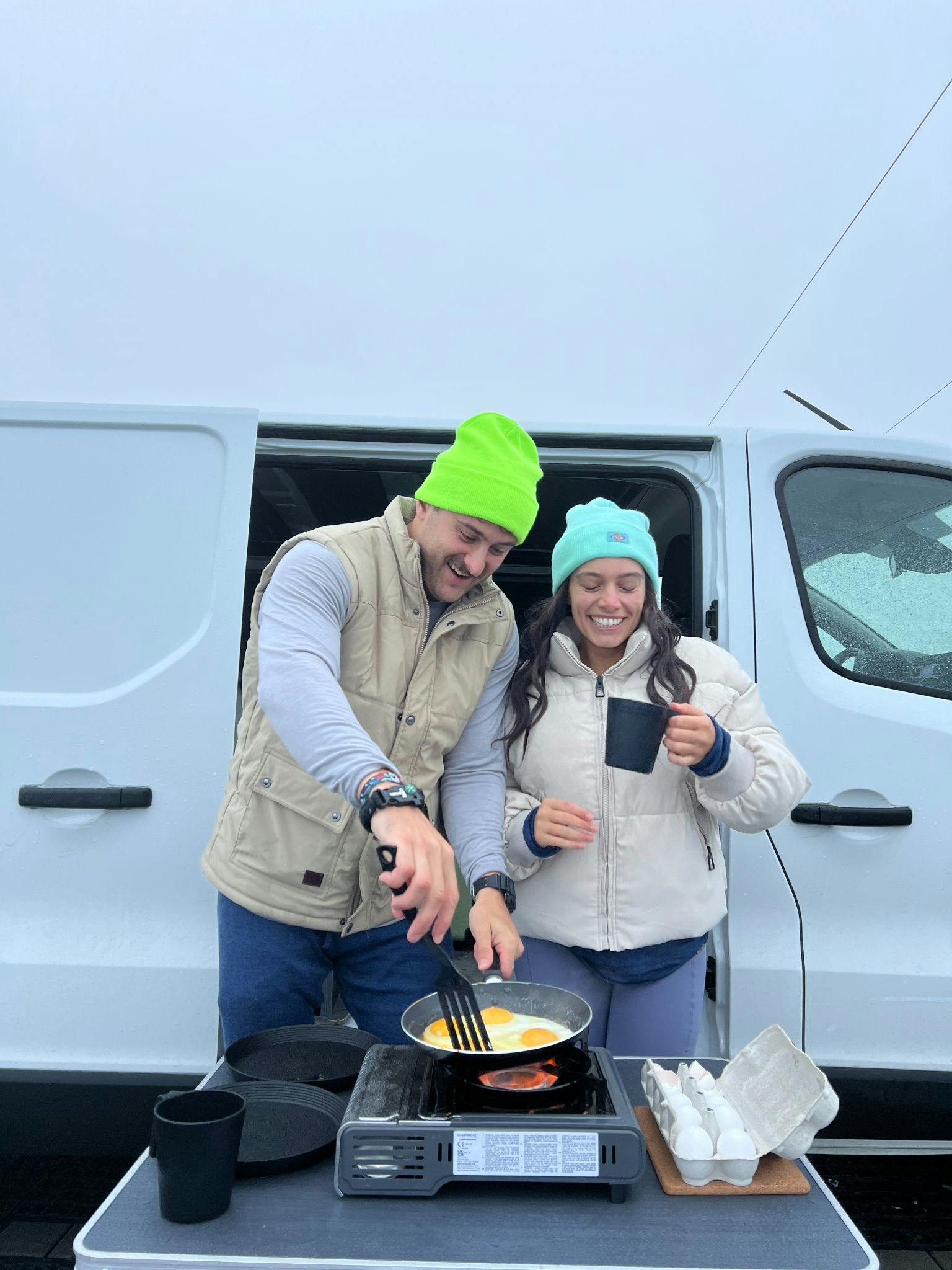
One of the most underrated parts of camper travel is meeting fellow travelers and other campers at campsites. Stories are shared, tips exchanged, and friendships formed, often over late-night conversations or while taking photos of the landscape.
It’s part of what makes this style of travel so special.
Is Renting a Campervan the Best Way to Visit Iceland?
For many people, yes. Compared to a rental car and hotels, camper travel offers flexibility, savings, and deeper immersion. We wake up where we want, move when we’re ready, and experience Iceland beyond fixed itineraries.
That’s why so many happy campers tell us they’re incredibly grateful they chose this way to travel.
Why Traveling in Iceland by Campervan Is an Experience You’ll Never Forget
Traveling in Iceland by campervan gives us freedom, comfort, and adventure in one package. From glaciers and hot springs to quiet campsites and dramatic coastlines, every night brings something new.
Whether it’s our first trip or a return visit, exploring this country on wheels creates memories that last long after the journey ends.
Frequently Asked Questions About Traveling in Iceland by Campervan
Can you take a campervan to Iceland?
Yes, absolutely. Traveling in Iceland by campervan is one of the most popular and practical ways to explore the country. Roads are well-maintained, signage is clear, and campsites are widely available. A campervan allows us to combine transport and accommodation while moving at our own pace, making it ideal for both short trips and longer adventures.
Can you park a campervan anywhere in Iceland?
No, you can’t park a campervan just anywhere overnight. Sleeping in vehicles outside designated campsites is restricted unless you have explicit permission from a landowner. To protect nature and avoid fines, we always recommend staying at official campsites, which also offer good facilities like toilets, showers, and waste disposal.
Can you car camp for free in Iceland?
In most cases, no. Nearly all campsites charge a small nightly fee. While this means car camping isn’t free, the cost is reasonable and helps maintain clean, safe facilities across the country. Paying for campsites also makes the experience more comfortable, especially during longer trips.
Can you sleep in your van in Iceland?
Yes, you can sleep in your van as long as you stay at an approved campsite. Campervan travel is fully legal when done correctly, and campsites are set up specifically for this purpose. Sleeping at campsites also makes it easier to stay warm, recharge, and meet other campers along the way.

Do you need a 4x4 campervan in Iceland?
No, not for most travelers. While Four Wheel Drive is required for F roads and parts of the Icelandic Highlands, the majority of Iceland’s top attractions are accessible via paved roads. Routes like the Golden Circle, the south coast, the Ring Road, and the Snæfellsnes Peninsula are all well-suited for standard campervans.
Are your campervans automatic or manual?
All of our campervans are manual. Manual vehicles are very common in Iceland and are reliable for the country’s driving conditions. Most travelers adjust quickly, even if they don’t drive manually regularly at home.
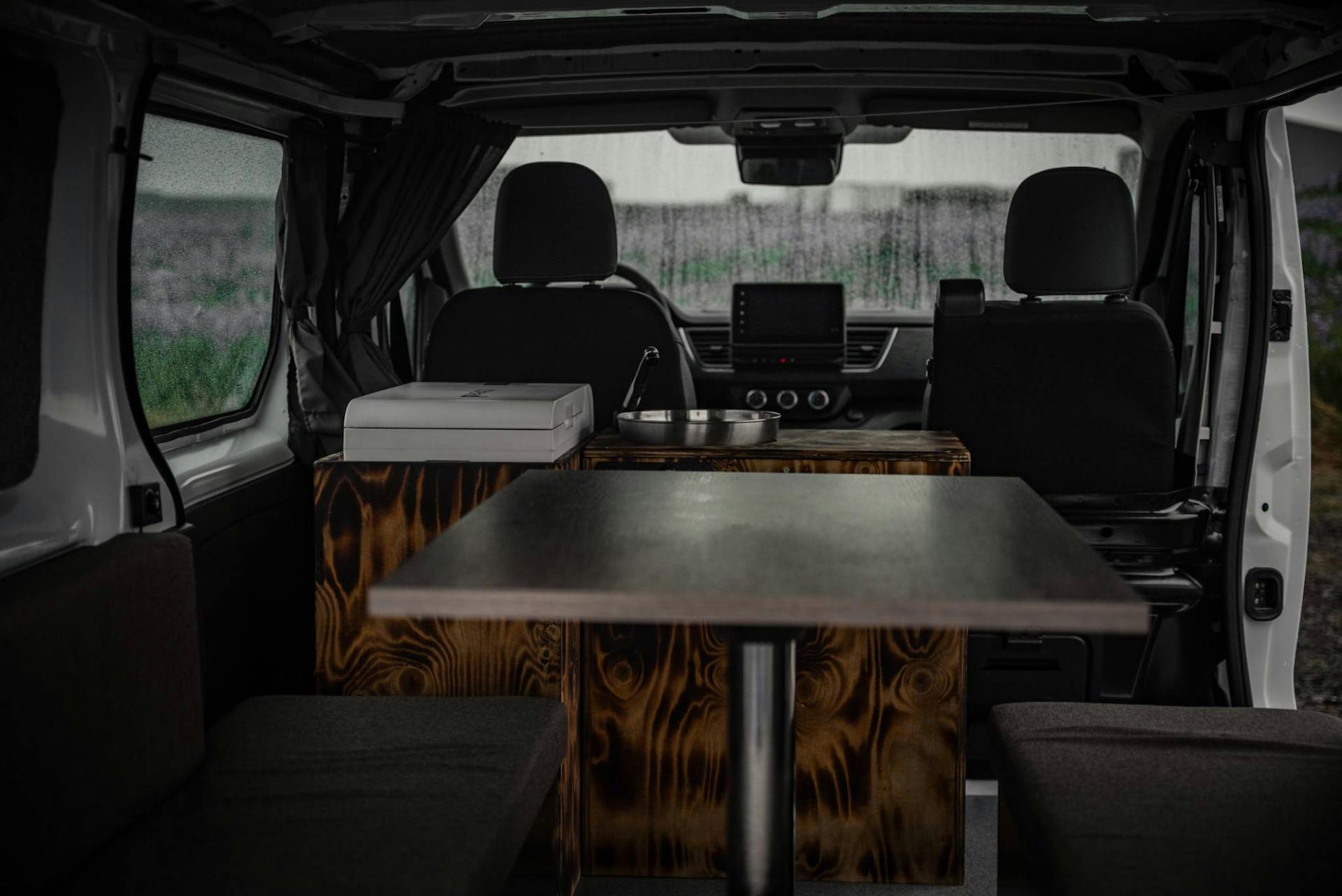
What extras can you add to a campervan rental?
We offer a range of optional extras to make your trip more comfortable. These include camping chairs, extra blankets, Wi-Fi routers, and the option to add an extra driver. Adding the right extras can make a big difference, especially during longer trips or winter travel.
Is traveling in Iceland by campervan a good idea in winter?
Yes, it can be a fantastic experience if you’re prepared. Winter campervan travel offers fewer crowds, dramatic landscapes, and excellent chances to see the northern lights. Planning around weather conditions, daylight hours, and staying at well-equipped campsites helps ensure a safe and enjoyable trip.